
Case study / 2025
Naitove
Top-to-bottom brand and messaging, from the name down to the nav.
Services
Positioning / Brand voice / Copy
Result
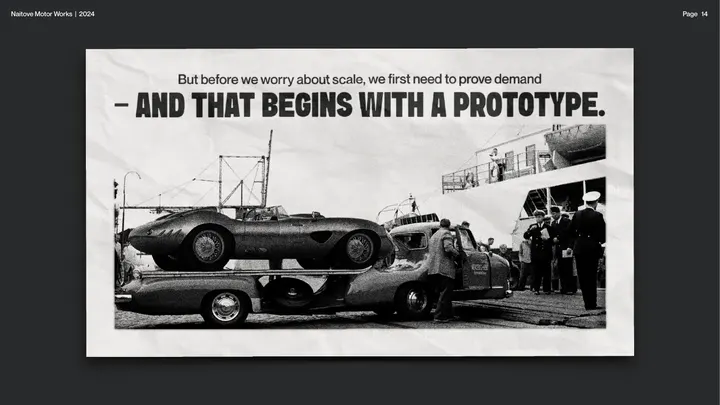
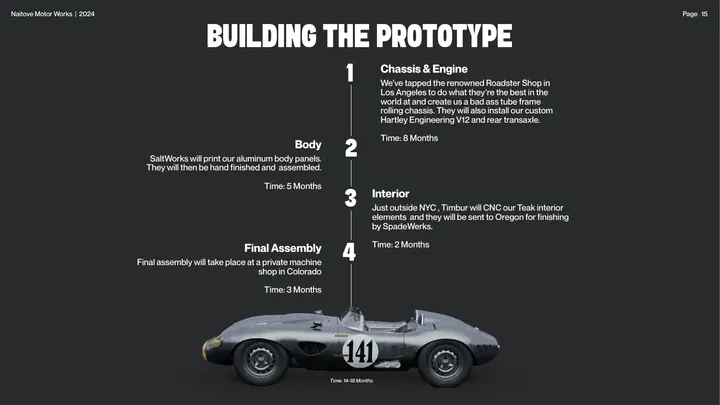
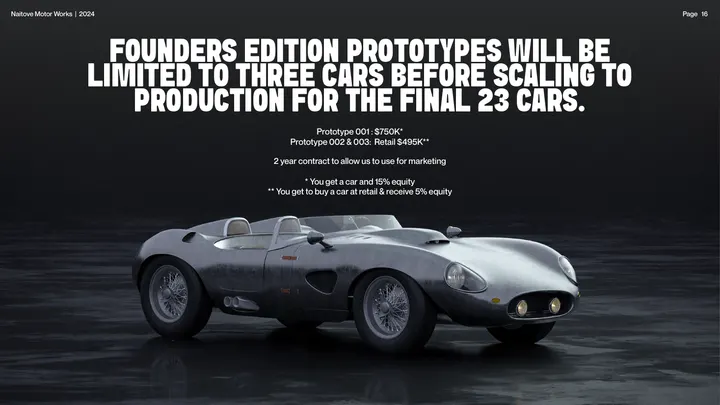
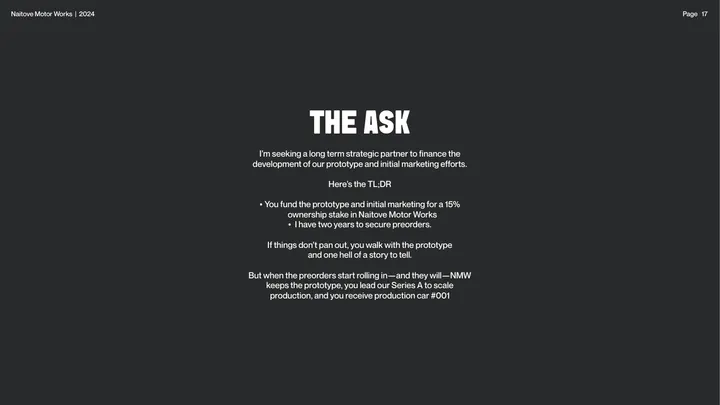
27 slides became 18. The ask moved to slide 17.
Visibility
Public
The situation
Naitove arrived with a product, a vision, and a folder of decks. What was missing: a clear sentence for what they do and a voice that could carry it across every surface.
The shift
We worked the problem from the top down.
Positioning first. Then messaging architecture. Then a verbal identity, voice rules, and a full pass on the pages, decks, and campaigns that would go live.
The goal was a brand that sounded like one person, speaking to one person, with one point of view. Not a committee. Not a category.
The rewrite
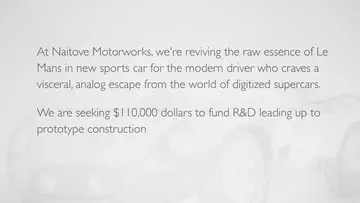
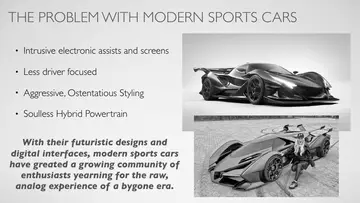
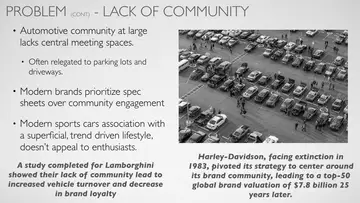
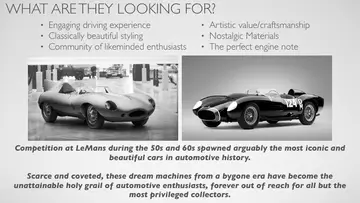
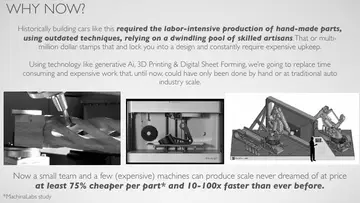
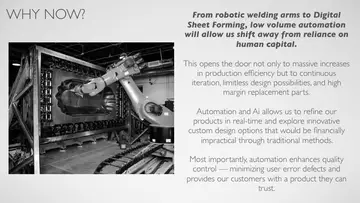
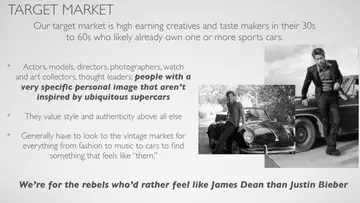
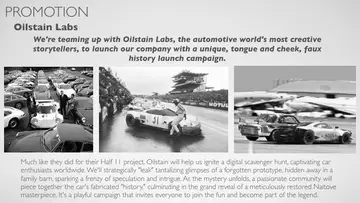
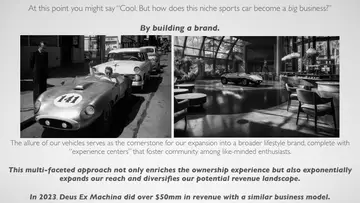
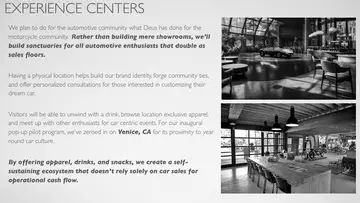
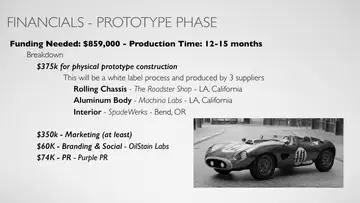
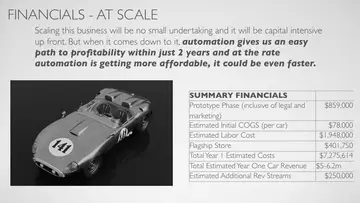
The clearest before-and-after is the pitch deck. The original had every fact the final one has. The V12. The aluminum that ages into patina. The ask. Twenty-seven slides of true things, presented as information, with the money question on slide one, before anyone had a reason to care.
The rebuild wasn’t a design pass. The story got re-crafted around the one reader it had to move: the investor who already misses cars like this.
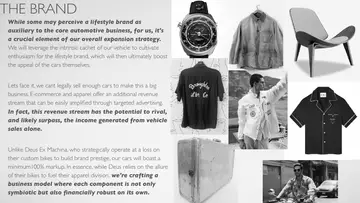
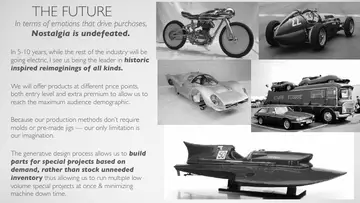
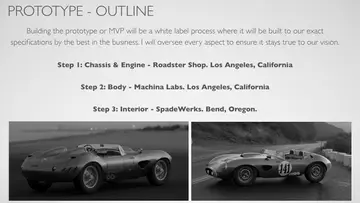
How it argued before / 27 slides
- The ask: $110,000, on slide one
- The problem with modern sports cars
- The problem, continued
- What buyers are looking for
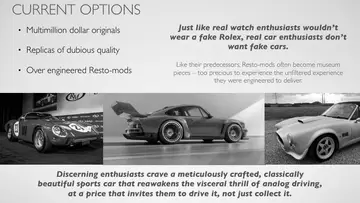
- Current options
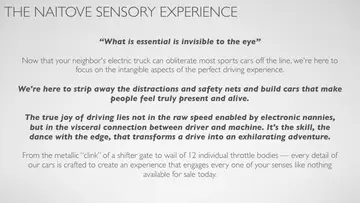
- The sensory experience
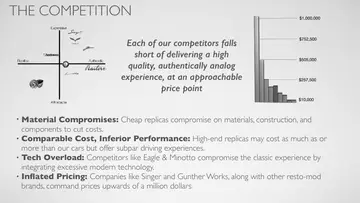
- Why alloy bodies. Why now. The competition.
- Target market. Promotion. Experience centers.
- Financials, three slides of them
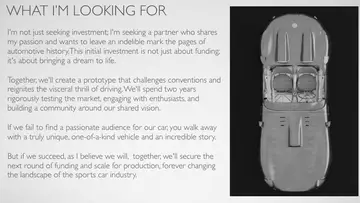
- What I’m looking for
Every point defended. Nothing felt.
How it tells it now / 18 slides
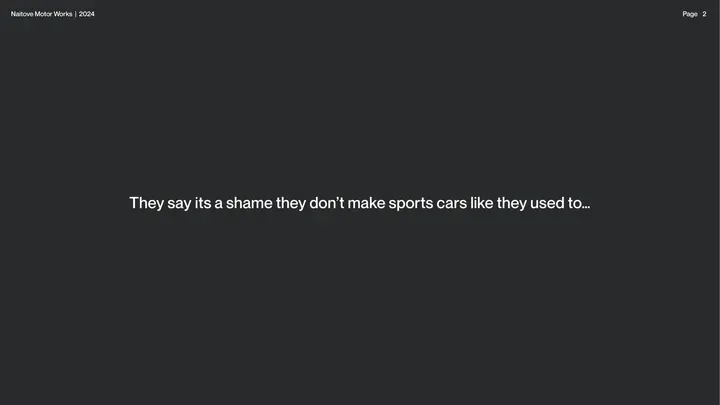
- ”They say it’s a shame they don’t make sports cars like they used to…"
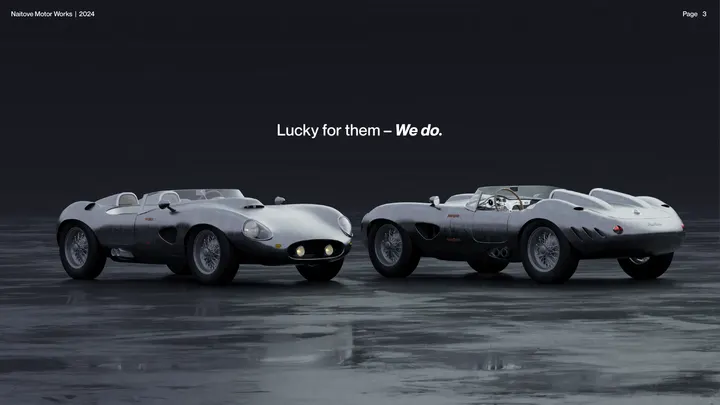
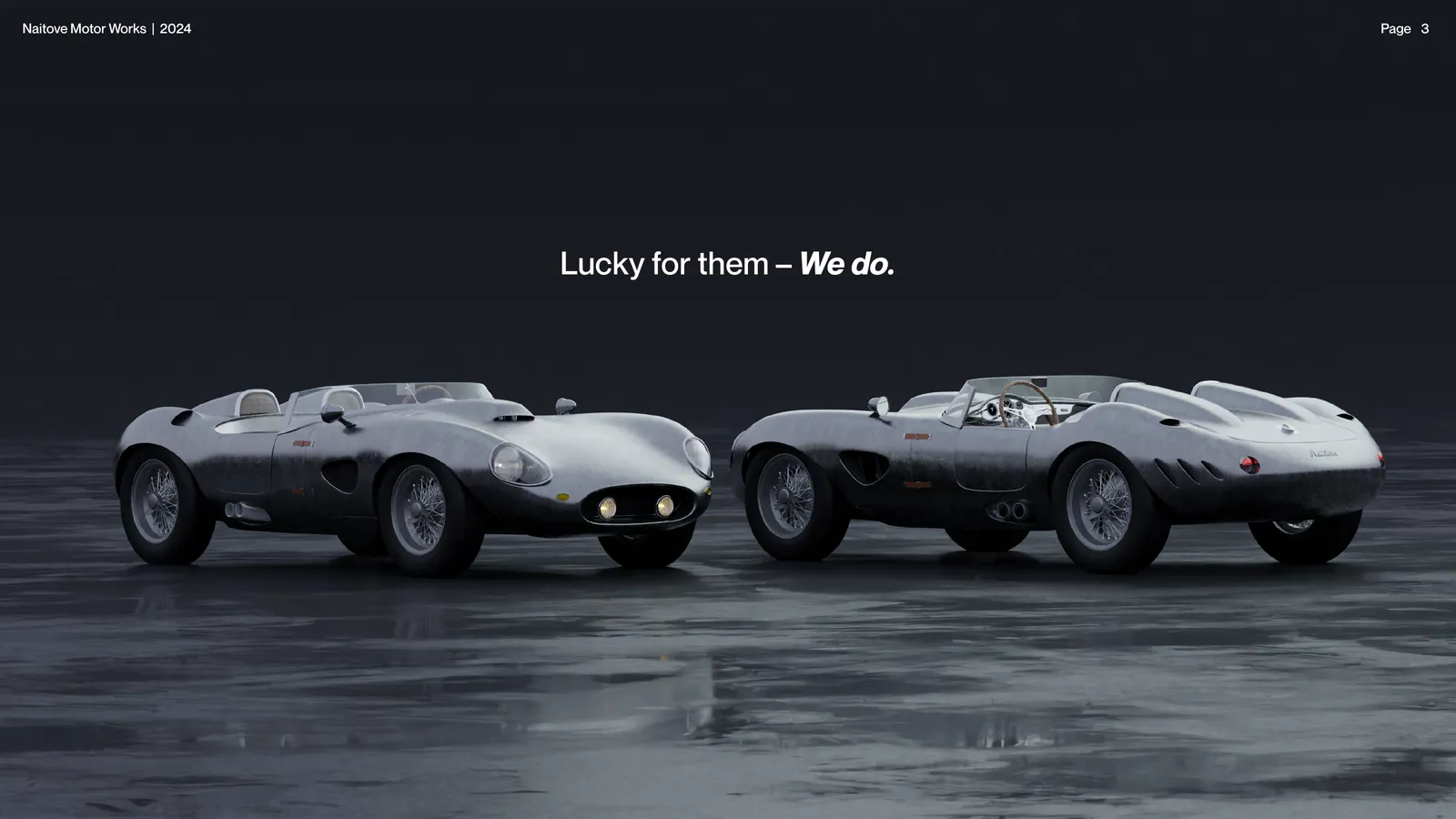
- "Lucky for them – we do.”
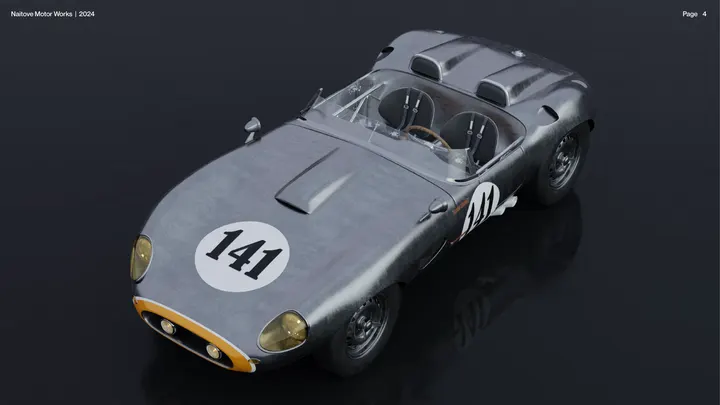
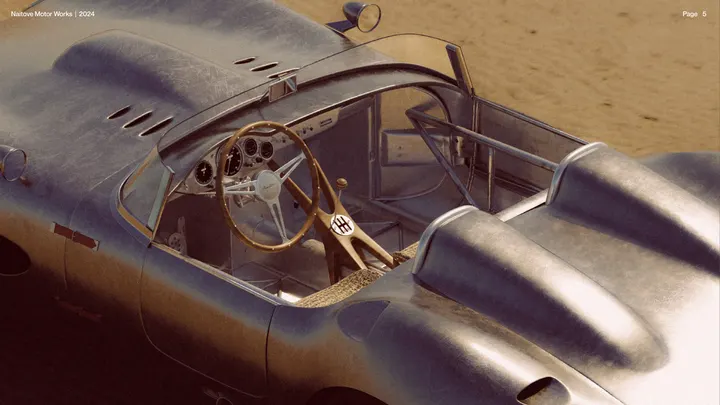
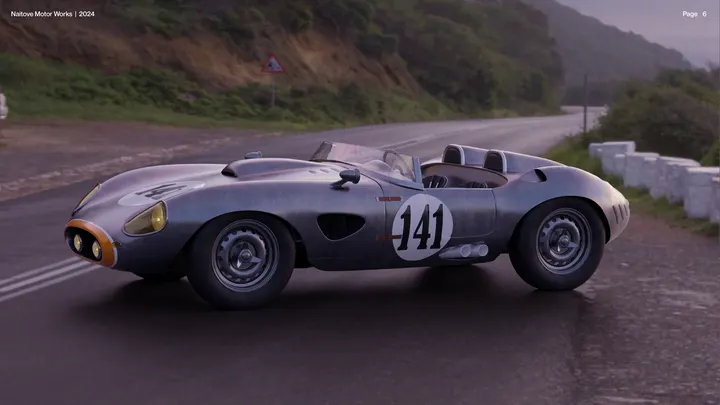
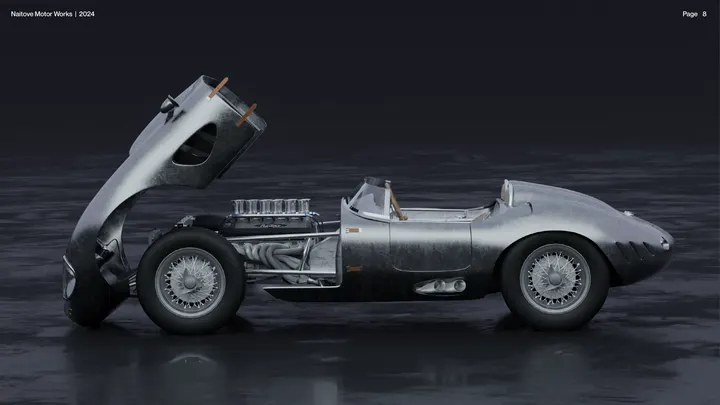
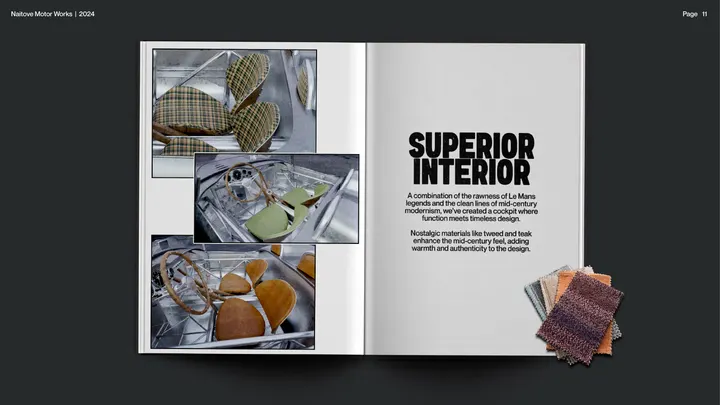
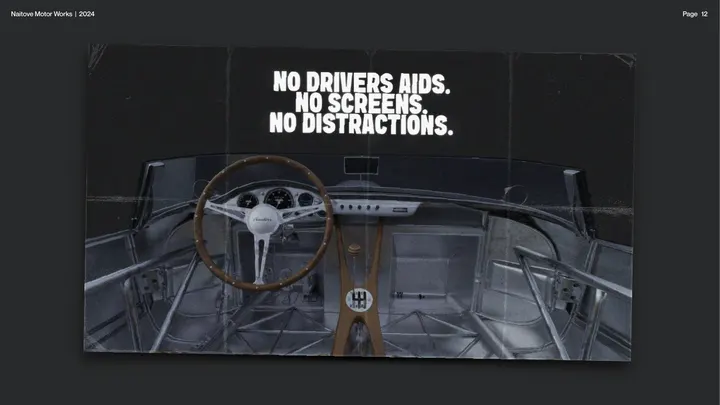
- The car. Five slides, almost no words.
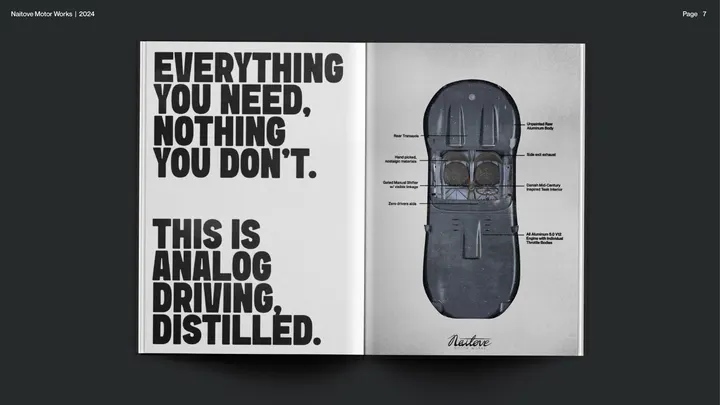
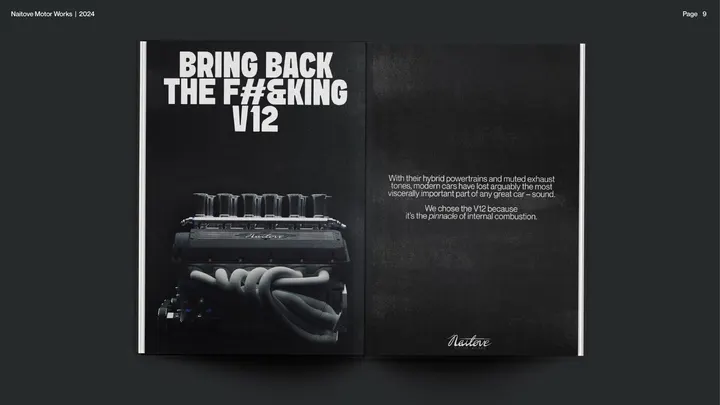
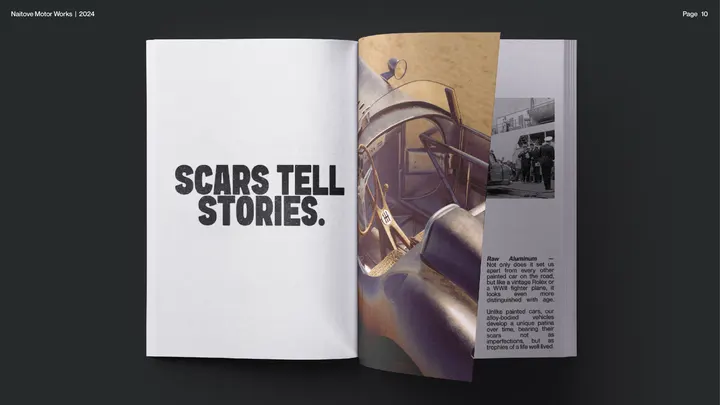
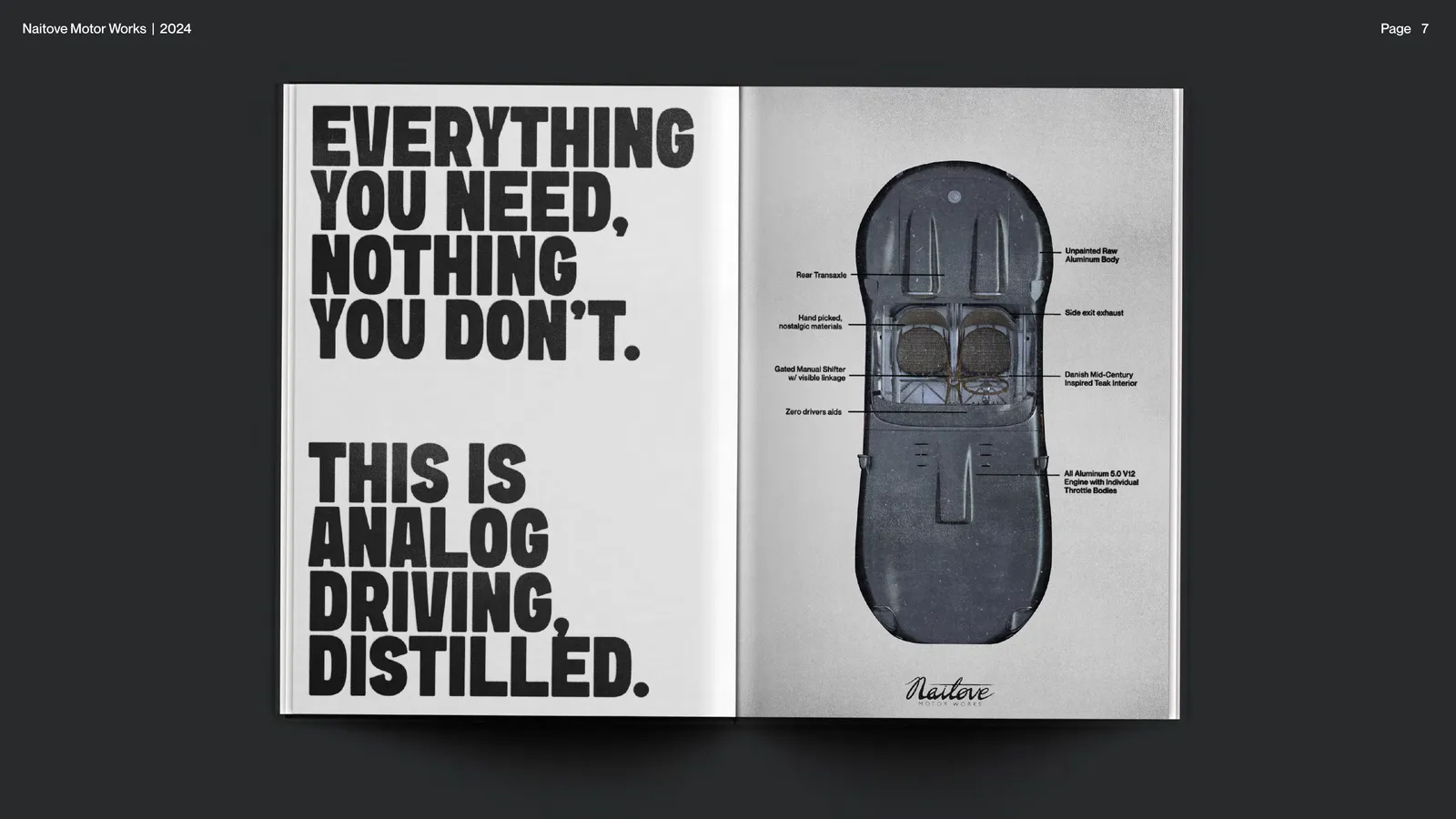
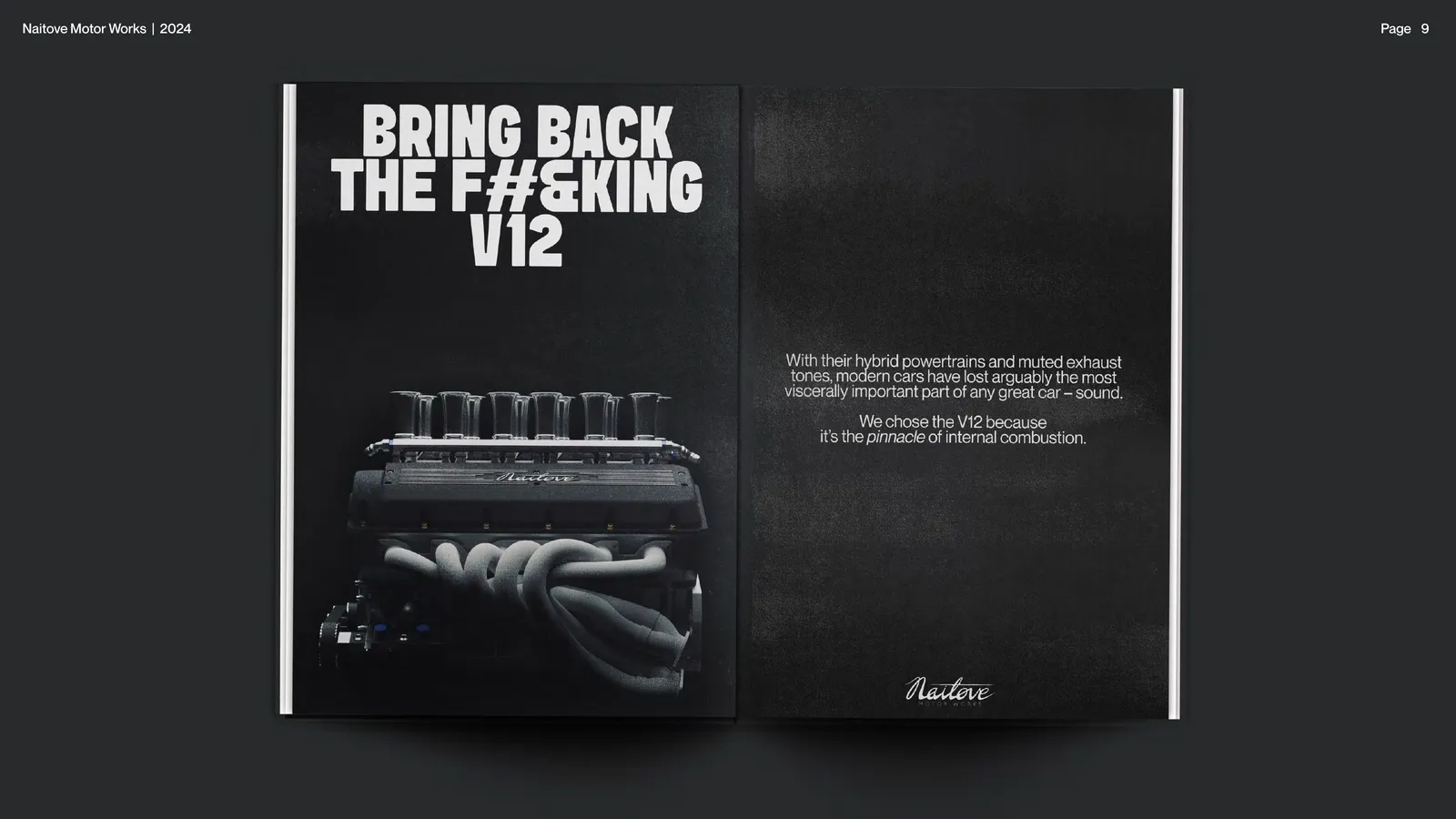
- What it stands for: analog driving, distilled. Scars tell stories. Bring back the V12.
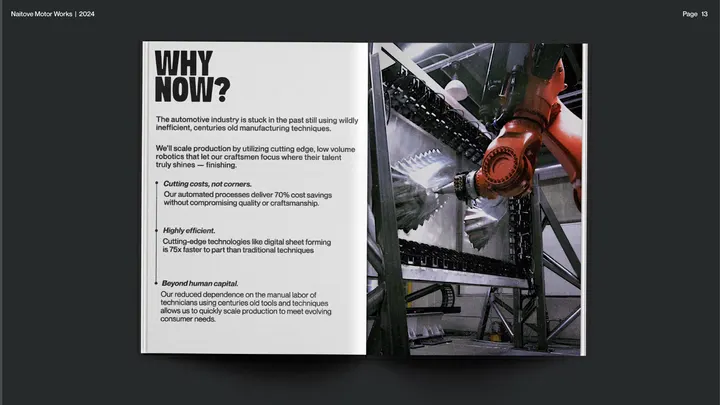
- How it gets built, and by whom
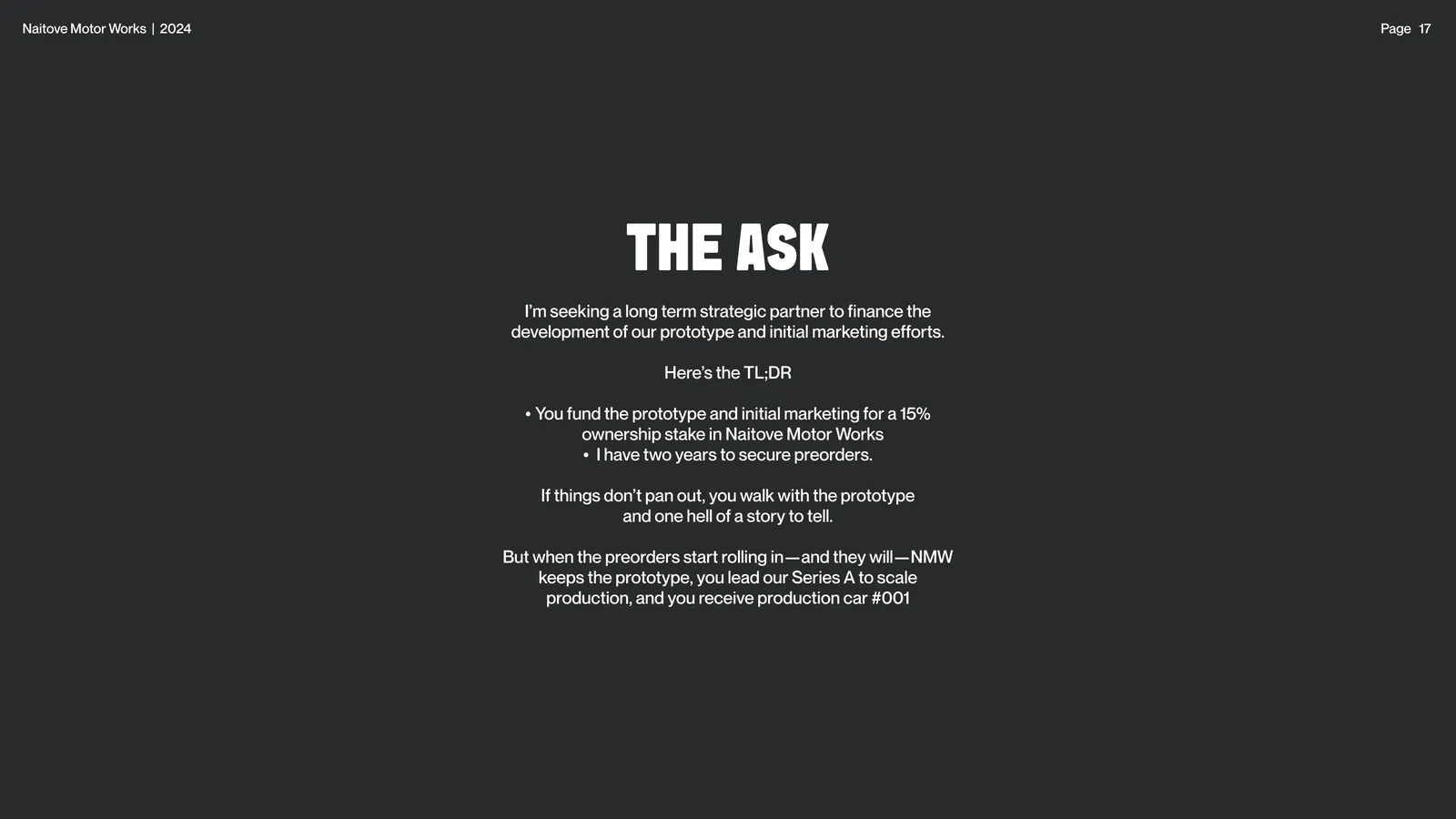
- The ask, once it’s earned
One voice. One reader. One point of view.
Same facts, three of them, before and after.
What the deck said
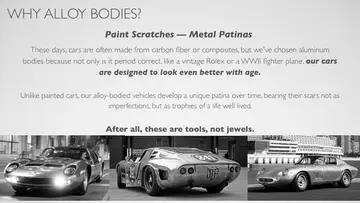
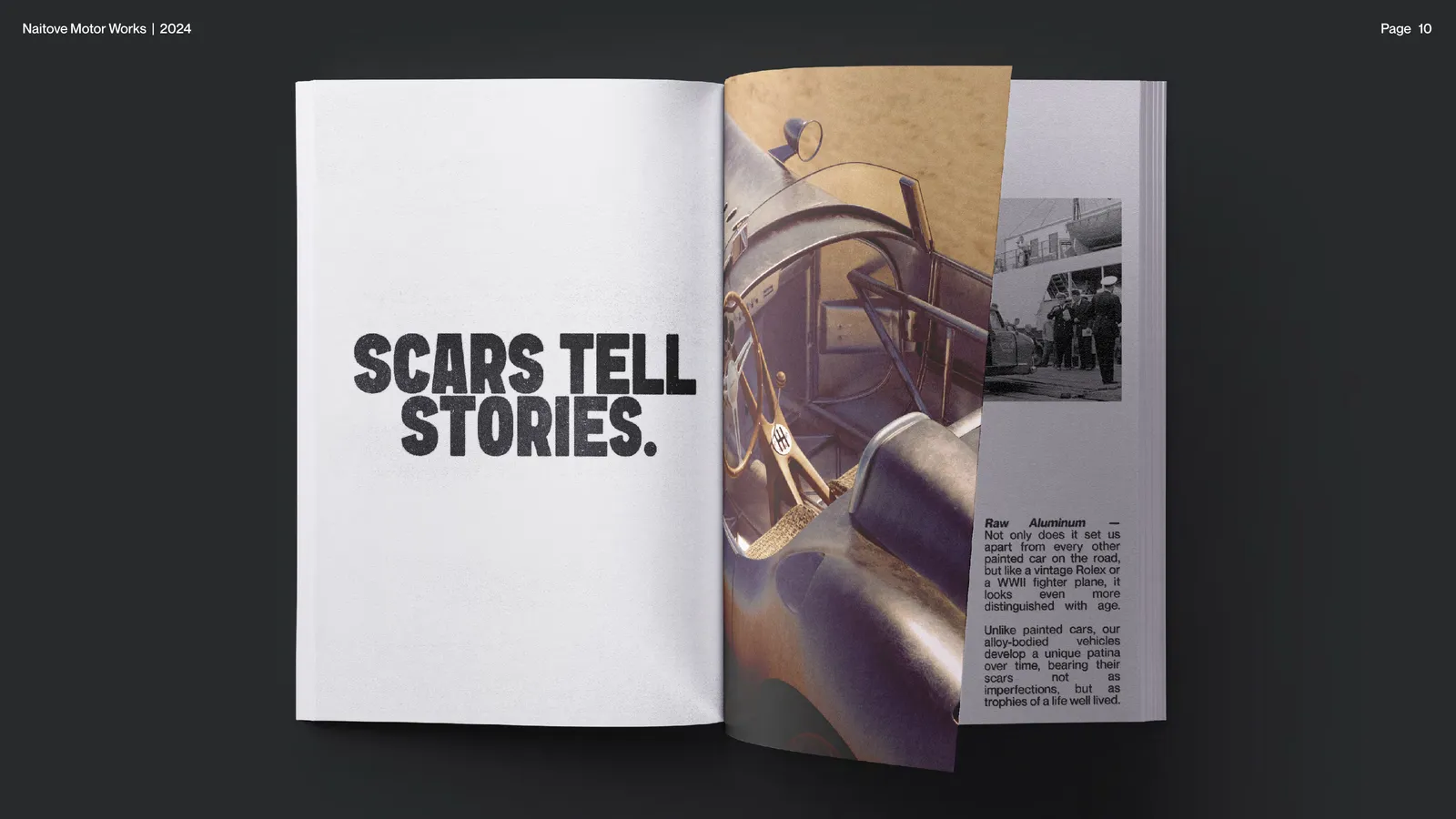
”Unlike painted cars, our alloy-bodied vehicles develop a unique patina over time, bearing their scars not as imperfections, but as trophies of a life well lived.”
What it says now
Scars tell stories.
Twenty-six words about oxidation. Three about a life. Same aluminum.
What the deck said
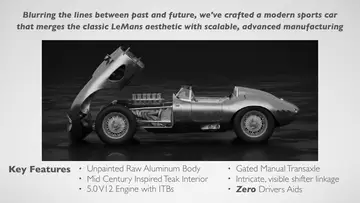
”Key features: unpainted raw aluminum body • mid-century inspired teak interior • 5.0 V12 engine with ITBs • gated manual transaxle • zero drivers aids”
What it says now
Bring back the f#&king V12.
The specs are still in the deck. They just stopped going first.
What the deck said, on slide 1
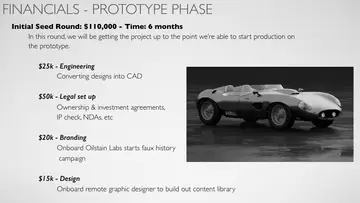
”We are seeking $110,000 dollars to fund R&D leading up to prototype construction.”
How it opens now
They say it’s a shame they don’t make sports cars like they used to… Lucky for them – we do.
The money question moved to slide 17. By then the reader has spent ten slides wanting the car to exist.
And the whole thing at a glance.
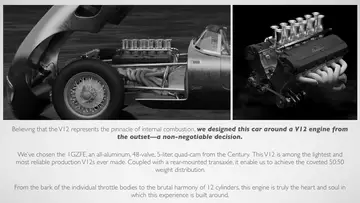
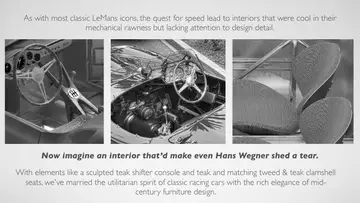
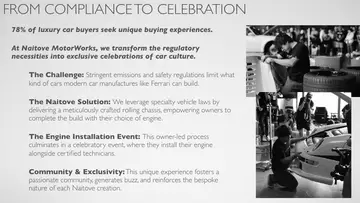
Every slide, before
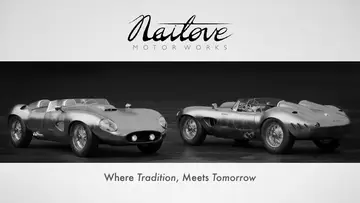
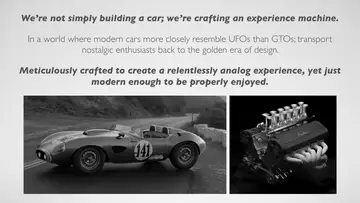
Every slide, after
The work
- Positioning and messaging architecture.
- A brand voice document the team could actually write from.
- Website copy across the core pages.
- Launch campaign copy, pitch materials, and supporting assets.
Why it worked
We spent longer on the positioning than the team expected. Everything downstream got faster because of it. The copy stopped needing rewrites once the positioning stopped arguing with itself.